

Foreign Ministry Adviser Meets the CEO of the Rudaki Foundation
Nasser Kanaani, Adviser to the Minister of Foreign Affairs, former spokesperson of the Ministry of Foreign Affairs, and former Head of the Center for Public Diplomacy, met on Saturday, 14 February, with Mohammad Alahyari Foumanni, CEO of the Rudaki Foundation, at the foundation’s headquarters.
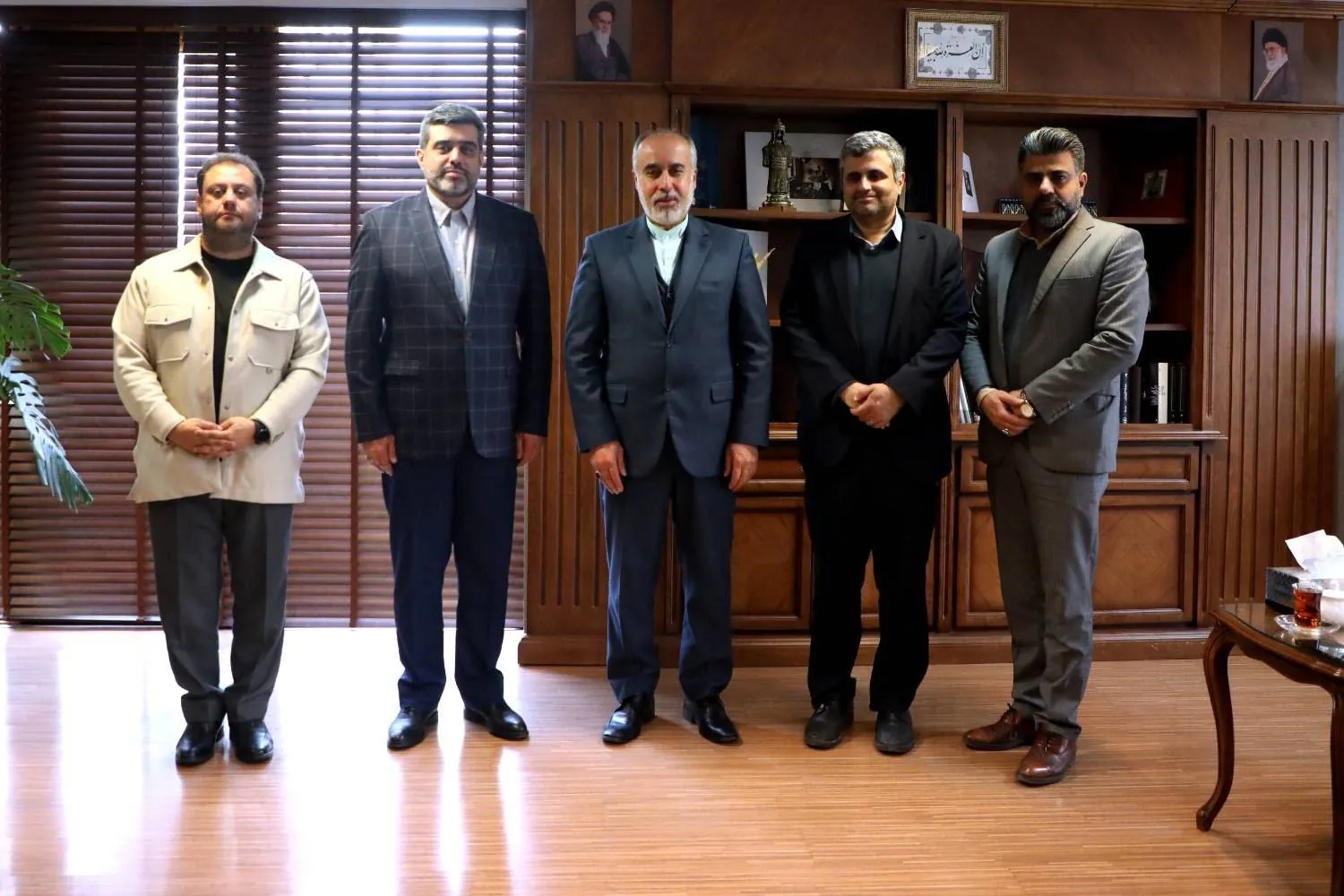
Rudaki Foundation: the meeting reviewed the country’s cultural and artistic capacities in line with the development of cultural diplomacy, particularly with regard to Arab and African countries.
At the outset of the meeting, Alahyari Foumanni described the Rudaki Foundation as the home of artists and, outlining the missions, activities, and achievements of the institution, emphasized its non-governmental nature and agility in decision-making. He stated that these features enable faster planning and implementation of cultural events and can play an effective role in advancing the country’s overarching cultural policies.
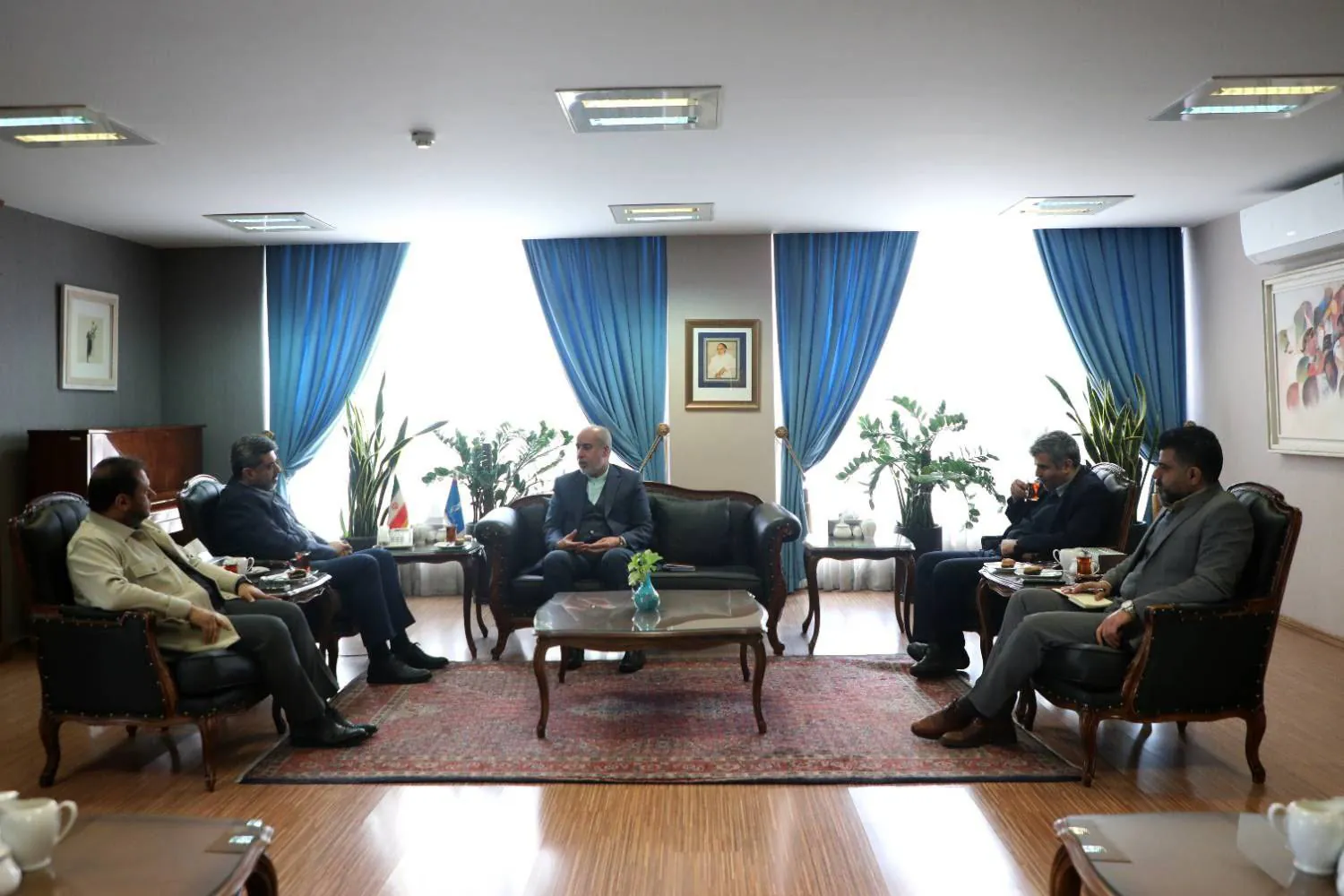
Referring to the management and leadership of the Tehran Symphony Orchestra and the Iranian National Orchestra, the CEO of the Rudaki Foundation described this capacity as a suitable platform for the exchange of orchestral programs with other countries. He also pointed to the overseas performance of the Iranian Instruments Orchestra at a commemoration of Hafez in Ankara, adding: “The exchange of artists, conductors, and vocalists between Iran and Arab and African countries can serve as cultural ambassadors, presenting a clear image of Iran’s art and culture and paving the way for broader interactions.”
Alahyari Foumanni also introduced Ferdowsi Hall and the production of puppet operas directed by Master Behrouz Gharibpour, describing these works as among the distinguished cultural products on the international stage. By introducing prominent Iranian figures and globally recognized personalities, he said, these productions can play an effective role in cultural diplomacy.
KANAANI also expressed appreciation for the Rudaki Foundation’s initiatives and notable events, describing them as the result of valuable experience and a source of encouragement. He emphasized: “In the field of the arts, particularly orchestral music, any significant and impactful initiative envisioned has the necessary platform for implementation at the Rudaki Foundation.”
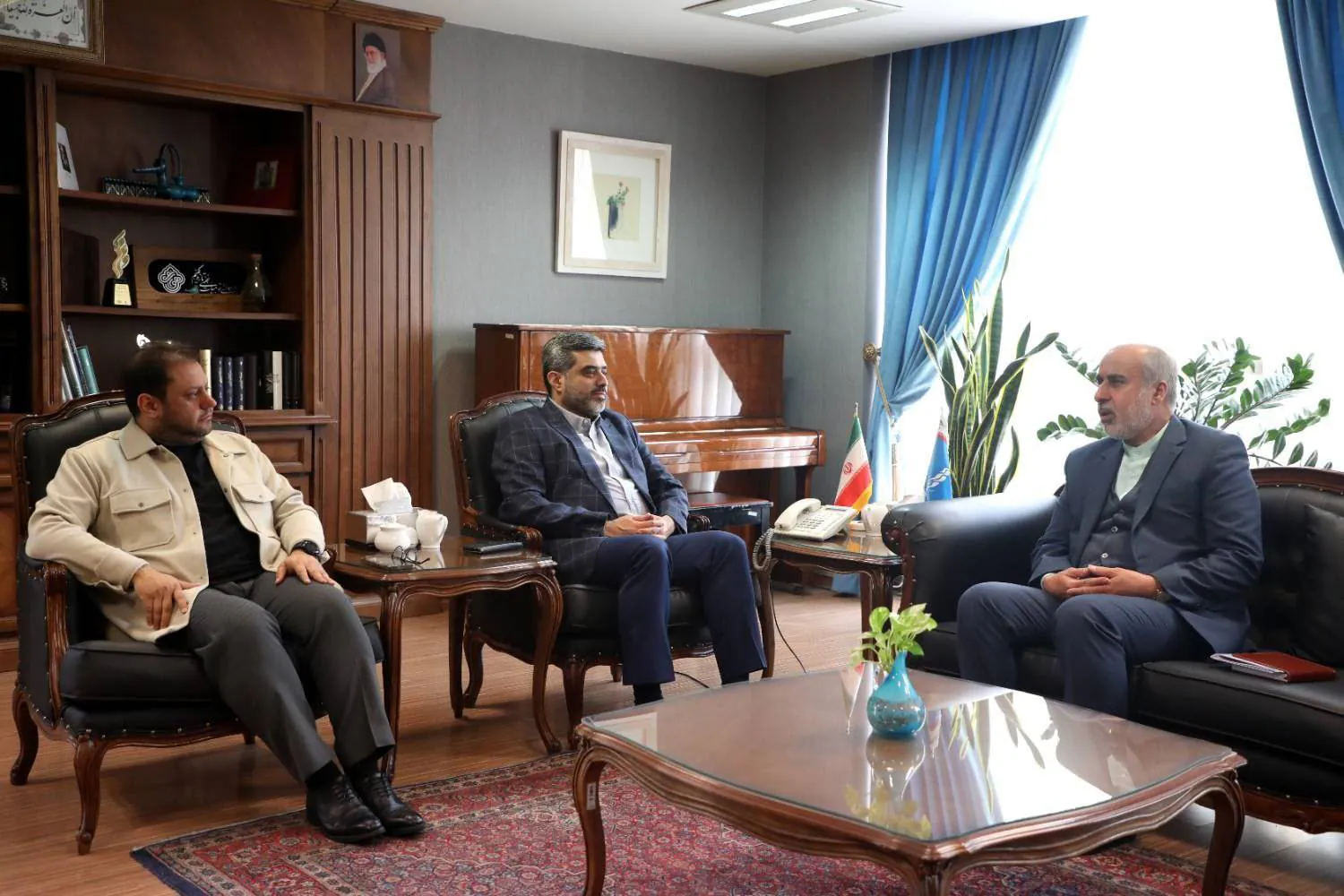
Referring to past experiences in cultural and artistic affairs in Arab and African countries, the former spokesperson assessed the relations formed between governments and nations as positive and stated: “The cultural and historical commonalities between Iran and the countries of this region provide a suitable capacity for defining joint projects and expanding the space for dialogue.” According to him, leveraging the sense of affinity toward Iran that has developed in these countries, along with existing cultural ties, can facilitate the deepening of relations and the transmission of the country’s cultural message at various levels.
In conclusion, Kanaani stressed that, given the existing understanding of the Rudaki Foundation’s capacities, the examination of the cultural platforms and infrastructures of target countries will be placed on the agenda, so that by forming a joint framework between the foundation and these countries, tangible achievements can be realized in the field of cultural relations.
Seyed Amirabbas Setayeshgar, Deputy for Artistic Creations at the Rudaki Foundation; Behzad Mohammadi, Head of the Cultural Cooperation Department at the Center for Public Diplomacy and NGOs of the Ministry of Foreign Affairs; and Alireza Poulad, Director of Public Relations of the Rudaki Foundation, were also present at the meeting and participated in the discussions and exchange of views.